
Coccidiosis and cryptosporidiosis are two of the most common and costly intestinal diseases affecting young livestock. Both are caused by microscopic parasites, both spread rapidly in animal housing, and both are notoriously difficult to eliminate with standard disinfectants. Getting the clean-down protocol right between batches is one of the most effective steps a farmer can take to break the cycle.
Here’s what you need to know — and what products will do the job.
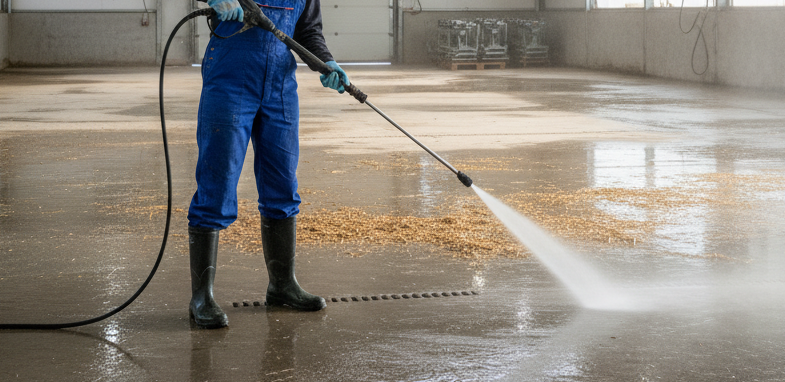
Understanding the Challenges
Coccidiosis is a parasitic intestinal disease caused by protozoa — most commonly Eimeria species in poultry and pigs, and Isospora in other animals. It spreads through contact with infective oocysts in contaminated feed, water, soil, or faeces. Young, stressed, or immunocompromised animals are most vulnerable, and the disease can cause bloody diarrhoea, weight loss, dehydration, and in severe cases, death.
Cryptosporidiosis is caused by Cryptosporidium — another microscopic protozoan parasite — and is particularly significant in dairy calves, where watery diarrhoea in the first weeks of life can quickly become life-threatening. Critically, Cryptosporidium is highly resistant to chlorine and many common disinfectants, making targeted products essential.
Both diseases share a common management challenge: the oocysts and parasites that cause them are tough. Routine broad-spectrum disinfectants alone are not enough.
A Three-Step Hygiene Approach
Effective control requires a layered approach between batches. Skipping or shortcutting any step reduces the overall effectiveness significantly:
Step 1 — Heavy-duty cleaning Start with a quality farm detergent to remove organic matter, proteins, and fats from all surfaces and equipment. Thorough cleaning alone can reduce microbial loading by up to 90% and is essential groundwork for disinfection to work properly.
Step 2 — Broad-spectrum disinfection Apply a broad-spectrum disinfectant to further reduce the overall microbial load across bacteria, viruses, and other pathogens.
Step 3 — Targeted disinfection This is the critical step for cocci and crypto. Only specific, proven disinfectants are effective against oocysts and Cryptosporidium. This is where product choice really matters.
The Agrihealth Targeted Disinfectant Range
Agrihealth supplies targeted disinfectant products proven effective against coccidiosis and cryptosporidiosis organisms:
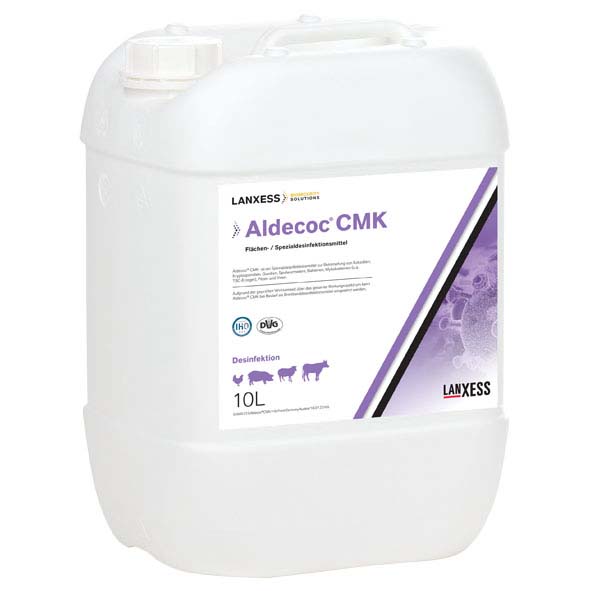
Aldecoc CMK
Aldecoc CMK is a broad-acting targeted disinfectant effective against bacteria, cryptosporidia, coccidia, Ascaris (worm eggs), and TB. It is suitable across all species and disease challenges.
- Dilution: 2%
- Application rate: 400ml solution per m²
- Contact time: 120 minutes
Prophyl S
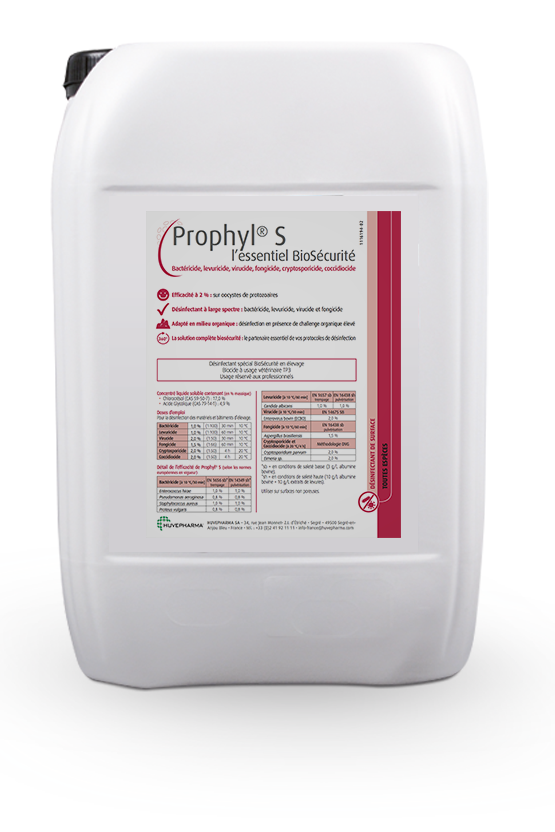
Prophyl S matches the broad efficacy of Aldecoc CMK, covering bacteria, cryptosporidia, coccidia, Ascaris, and TB, with a flexible application rate suited to heavier soiling conditions.
- Dilution: 2%
- Application rate: 400–500ml solution per m²
- Contact time: 120 minutes
Species Quick Reference
| Species | Primary Challenge | Recommended Products |
|---|---|---|
| Poultry | Coccidiosis | Aldecoc CMK, Prophyl S |
| Dairy cattle | Cryptosporidiosis | Aldecoc CMK, Prophyl S |
| Pigs | Coccidiosis / Worms | Aldecoc CMK, Prophyl S |
Get the Protocol Right
For a full hygiene programme tailored to your farm and species, contact your Agrihealth representative. Full product leaflets, technical data sheets, and safety data sheets are available on request. Always refer to product documentation for specific usage and safety guidance.